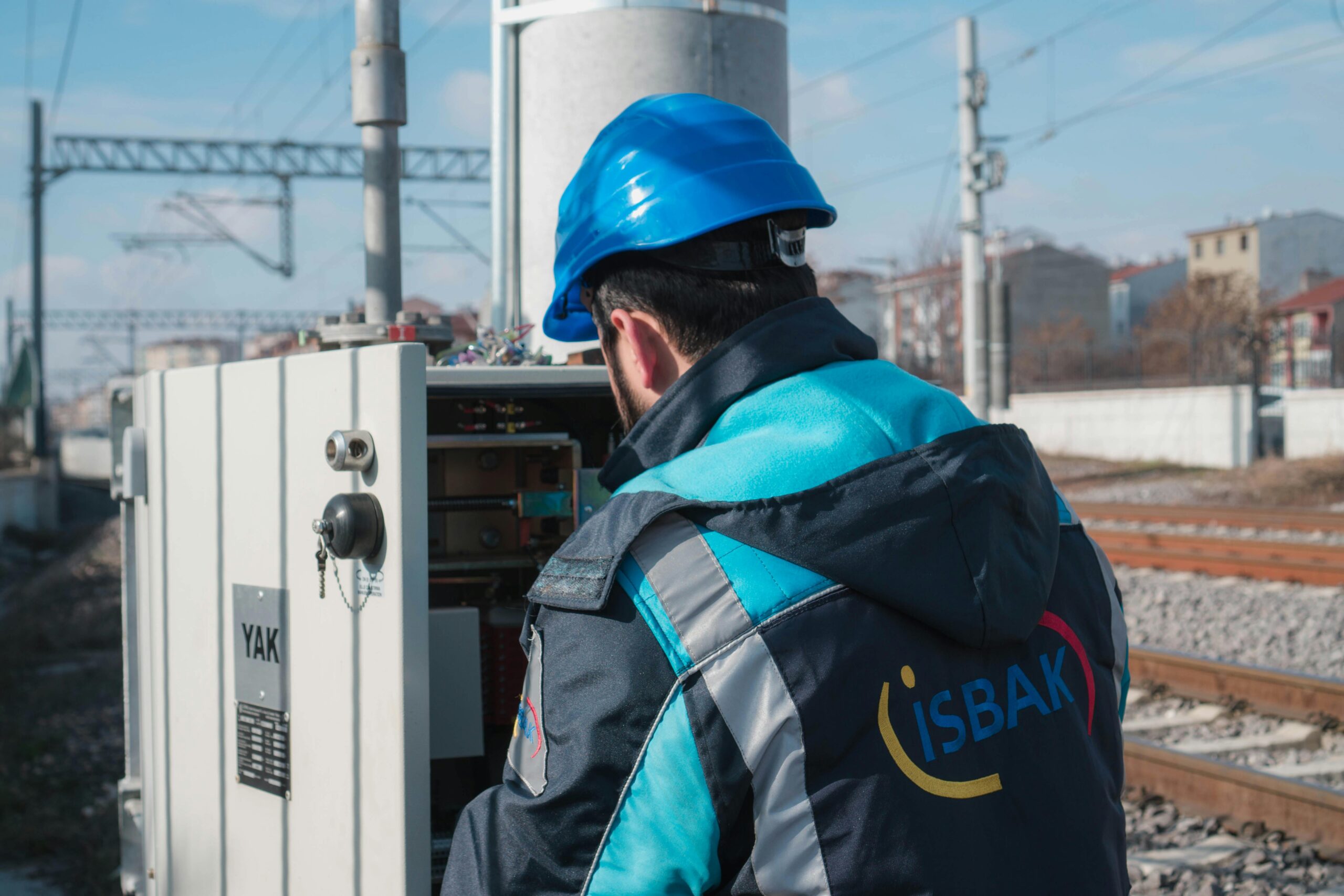
Today, rail networks are under more pressure than ever. Infrastructure is aging, the number of passengers is growing, and safety expectations are higher than ever. Because of this, rail operators can no longer afford to rely on just manual inspections and site visits.
In 2026, smart rail inspection technologies are constantly changing how railways are monitored and inspected. These systems use things like cameras, sensors, and even AI and cloud platforms to collect and review data remotely. So, instead of sending teams to do manual inspections of rail tracks in person, a huge part of the work can actually be done digitally.
3 Best Rail Inspection Tools in 2026
In this article, we will take a look at three companies that are leading the way when it comes to smart rail inspection.
-
One Big Circle
One Big Circle is a UK technology company that created AIVR (Automated Intelligent Video Review). AIVR is an AI-powered digital rail monitoring technology that allows railway teams to inspect their infrastructure remotely.
This system is browser-based, which means users can just log in from anywhere without the need to download special software. One Big Circle focuses on reducing “boots on ballast”, meaning the main goal is to require fewer people who need to go and physically inspect the track.
Key Capabilities
- Remote Video Inspections
AIVR provides access to over 500,000 miles of recorded rail video footage. Engineers can review track conditions remotely instead of having to travel to the site themselves. Simply reviewing one hour of footage can replace a full-day site visit, saving so much time and reducing unnecessary carbon emissions.
- Thermal Imaging and Hotspot Detection
The system also uses high-resolution and thermal cameras that are placed on trains and measurement vehicles. AI models use these to automatically detect temperature hotspots that could signal potential equipment problems. Doing this helps prevent issues early on and avoid complications.
- Switch and Crossing (S&C) Inspection
AIVR also uses high-speed line-scanning cameras to capture detailed images of switches and crossings. These are critical parts of the railway network, and they require careful monitoring.
- Conductor Rail and Overhead Line Monitoring
AIVR supports inspection of third rail systems and overhead line equipment (OLE). Their AI systems also help detect faults and monitor asset condition without the need to send teams onto the track.
- Track Geometry Integration
With AIVR, track geometry data can also be viewed alongside video footage in the same platform. This can be very helpful for engineers as they’ll have better context when assessing track quality and safety.
- Signal Sighting and Site Planning
The platform also allows remote signal sighting checks and includes augmented reality tools that can help plan work safely. This means better, more efficient planning.
- Level Crossing Monitoring
Through static cameras and machine learning, AIVR can also help monitor level crossings and detect unusual or unsafe behavior.
-
Plasser & Theurer
Plasser & Theurer is an Austrian company known worldwide for its railway maintenance machines and track inspection systems. The company has decades of experience in track measurement and infrastructure monitoring.
Key Capabilities
- Track Geometry Measurement
Plasser & Theurer builds systems that help measure things like track alignment, gauge, cross level, and other key parameters. These measurements help ensure the track is stable and safe.
- Rail Wear Monitoring
Their systems can also measure rail wear and monitor rail head profiles. Doing this can help infrastructure managers decide when any grinding or replacement is needed.
- Integrated Inspection Vehicles
Many of their maintenance machines actually combine inspection and repair functions, which allows operators to measure track condition while carrying out maintenance work.
- Digital Data Recording
All measurement data is recorded digitally, and it can be used for long-term analysis. This supports better maintenance planning and improves the reliability of infrastructure.
-
Siemens Mobility
Siemens Mobility is a global rail technology company that provides digital rail solutions, signaling systems, and monitoring technologies. The company plays a huge role when it comes to modernizing railway infrastructure.
Key Capabilities
- Condition Monitoring Systems
Siemens offers wayside and onboard monitoring systems that can help teams track asset condition. These systems can collect data to detect issues like overheating, wear, and other irregularities.
- Digital Platforms and Data Analytics
Siemens also integrates inspection data into digital platforms that support predictive maintenance. This gives operators the chance to identify potential issues before they cause any major disruptions.
- Train Detection and Monitoring Systems
The company also provides axle counters and other detection systems so that teams can monitor train movements and track conditions in real time.
- Integrated Rail Automation
With Siemens, you can combine monitoring data with signaling and automation systems, which helps improve not only operational efficiency but also safety in general.
Conclusion
It is obvious that rail networks are becoming more digital and data-driven. The technologies we discussed above can all help rail operators make this transition even smoother and significantly reduce the need for manual in-person inspections. Not to mention, they can also help you plan better and identify even the smallest issues before they cause operational problems.
All these technologies represent the future of rail inspection, and as rail networks continue to modernize, they will play a key role in improving safety, reliability, and long-term performance.